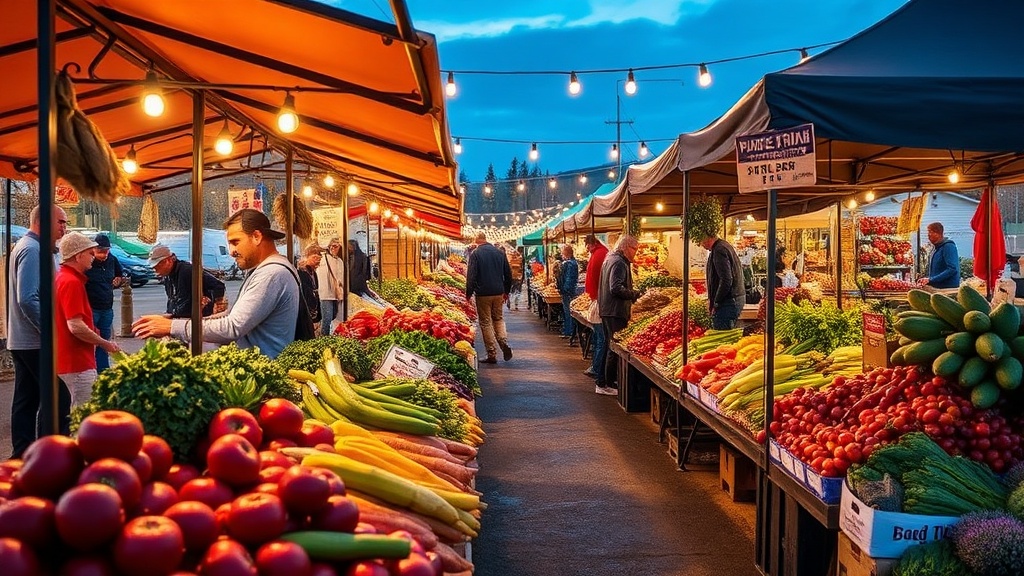
Navigating Kamloops Farmers Markets and Seasonal Produce Markets

Getting the Most Out of Your Local Market Runs
Ever wondered why some people seem to always have the freshest heirloom tomatoes and the best local honey while everyone else is stuck with grocery store leftovers? It isn't magic; it's just knowing how to time your visits and where to look. This guide covers everything you need to know about navigating the various farmers markets and seasonal produce stands across the Kamloops area. We'll look at the best times to visit, how to prepare your gear, and how to support our local growers effectively.
Kamloops has a unique seasonal rhythm. Because our weather can be a bit unpredictable—one day it's baking in the sun, the next it's a sudden chill—the availability of produce shifts constantly. If you want to eat well and support the local economy, you have to be a bit more tactical than your average shopper.
Why Shopping Local Matters for Our Community
When you buy a bunch of kale from a vendor at a local market instead of a big-box retailer, that money stays right here in the Thompson-Nicola region. It helps our small-scale farmers stay afloat and keeps our local food systems resilient. Plus, the flavor profile of produce grown in our specific soil and climate is often much better than things shipped from thousands of miles away.
Where can I find fresh produce in Kamloops?
You aren't limited to just one single location. Depending on the time of year, you'll find different hubs of activity. Most locals gravitate toward the central hubs during the peak summer months, but there are smaller, specialized markets that pop up in various neighborhoods.
- The Kamloops Farmers' Market: This is the big one. It's a staple for many of us. You'll find a wide variety of vegetables, artisan breads, and often handmade crafts.
- Local Farm Stands: As we move into the height of summer, keep an eye on the roadsides near North Shore and out toward Brocklehurst. Many farmers set up temporary stands that are much more casual than a formal market.
- Community Markets: Check local community centers. They often host smaller, more intimate gatherings where you can find niche items like organic jams or specialized herbs.
If you're looking for a specific ingredient, don't be afraid to ask the vendors. Most of them are incredibly knowledgeable and can tell you exactly when a certain crop will be ready for picking. They aren't just selling food; they're experts in their specific niche.
What is the best time to visit a farmers market?
Timing is everything. If you show up ten minutes before the market closes, you might find some great deals, but you'll likely find empty crates. If you show-up right when it opens, you'll get the first pick of the best-looking produce, but you'll have to deal with the initial rush.
Generally, I suggest arriving about an hour after the official start time. The crowds have thinned out slightly, but the vendors still have plenty of stock. This is also a great time to strike up a conversation with the growers. Most people find that mid-morning is the sweet de facto sweet spot for a relaxed experience.
| Time of Day | Pros | Cons |
|---|---|---|
| Early Morning (Opening) | Best selection; freshest pick. | Crowded; high energy. |
| Mid-Morning (Peak) | Great atmosphere; variety. | Can be busy; stock moving fast. |
| Late Afternoon (Closing) | Potential for discounts. | Limited selection; might be picked over. |
Pro-tip: Always check the weather. If it's a particularly hot day in Kamloops, some of the more delicate greens might wilt faster, so you'll want to move quickly through the aisles.
How do I prepare for a successful market haul?
Don't just wander in with your hands in your pockets. A little preparation goes a long way in making sure you actually get what you need without the frustration. Here is a quick checklist for your next trip:
- Bring Reusable Bags: Not just for the food, but for the heavy stuff too. I always carry a few sturdy canvas bags and a couple of mesh bags for loose produce like apples or lemons.
- Bring Cash: While many vendors are starting to accept digital payments, some smaller stands or those in more remote areas might still be cash-only. It's better to have a few twenty-dollar bills on you just in case.
- Bring a Cooler: If you're planning on buying dairy, meat, or delicate greens, bring a small insulated bag with an ice pack. Our summer temperatures can turn a trip home into a race against the clock.
- Make a List: It sounds basic, but if you don't have a list, you'll end up buying three jars of honey you didn't actually need.
For a deeper dive into the nutritional benefits of eating seasonally, you can check out the